
This week (4th – 10th May) is Dying Matters Awareness Week, a campaign ran by Hospice UK.
The theme this year is ‘Let’s talk about death and dying’, encouraging everyone to have conversations about death and dying. Talking about death can feel difficult, or even frightening. When it comes to children with serious or complex needs, those conversations can feel even harder.
For many families, the thought of talking about the possibility of a child dying, feels unbearable. It’s completely understandable to want to avoid the idea altogether. But avoiding these conversation can sometimes mean families are without the support they need, when they need it most.
Planning for the future isn’t about giving up hope or about making big, overwhelming decisions all at once. But by taking small steps, at your own pace, such as or writing something down, or learning what support is available, can be one of the most meaningful things you do.
Honest conversations allow families and professionals to prepare for what might happen. Even the smallest conversations can bring comfort. Thinking ahead can help reduce uncertainty in the future. It can ease fears, and help families feel more in control during an uncertain time.
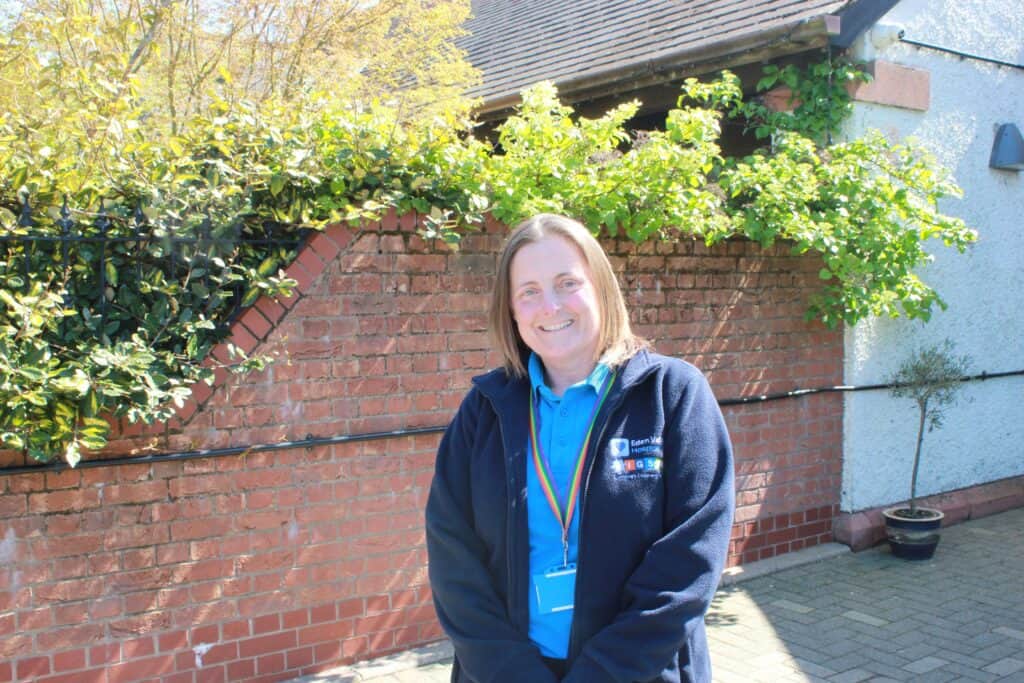
Liz Gittins, Social Worker at the hospice, shares with us why these conversations matter;
“I see everyday how important these conversations are. Talking about death and dying brings peace and clarity to the patients and families I have the honour of spending time with at the hospice. Everyone comes with a different story and part of our role is to honour that, to listen for what matters most and to help people to feel seen and heard, just as they are.”
At Jigsaw, our team supports children, young people and their families through some incredibly difficult and emotional times. We listen, offer guidance, and help families explore their wishes. We know how isolating it can feel, that’s why we’re here – to help families feel supported, heard and better prepared, in whatever way feels right for them.
Talking to Children about Death and Dying
As adults, it’s completely natural to want to protect children from things that feel frightening or painful. When it comes to death, dying, grief and loss, many parents and carers feel an instinct to avoid these conversations, believing in doing so we are protecting them.
But what we often find is that when we don’t talk about death and dying, children don’t stop thinking about it. Instead, they are often left to fill in the gaps themselves.
Children with complex needs may experience and understand the world in individual ways. Some may communicate through words, others through behaviour, expressions, signs, sounds or simply through how they respond to the people around them. Sometimes reassurance comes through touch, routine, or presence rather than words alone.
At Jigsaw, we support families at their own pace, in their own way. What truly matters is that every child feels seen, understood, and surrounded by love, comfort, and care.
If a child has lost a sibling or a family member, they are grieving too – even if they show it in ways that look different from adults. Children may move in and out of their grief, asking questions one day or feeling worried the next. Being open doesn’t mean having all the answers, it simply means reassuring children that their feelings are okay.
By acknowledging death and loss, we can help children make sense of their grief. As parents, carers and family members supporting children through conversations about death is not easy – but it is one of the most meaningful ways we can help them feel safe, understood and cared for, even during the hardest of times.
Children’s end-of-life care provides expert support to children who are likely to have short lives – bringing magic to children’s lives.
Children’s end-of-life care is about allowing a child to be a child – to play, laugh, and spend time with their loved ones. It is about medicine that relieves pain, and making awful times feel a little less awful. It is about allowing a peaceful death, followed by ongoing support for families as they navigate their grief and bereavement.
Talking openly doesn’t make the pain worse. Often, silence can feel the heaviest. And perhaps that’s the real point: these conversations aren’t about giving up. They’re about making sure no one faces the hardest moments of life without honesty, support, and care.
If you would like support in navigating this subject, please click here.